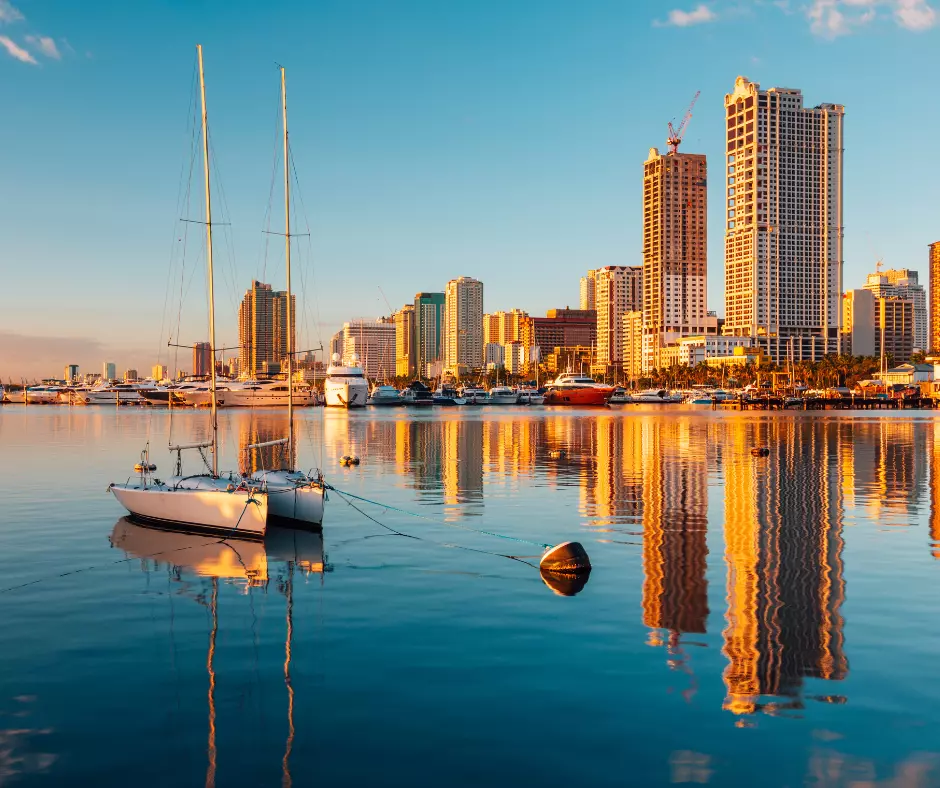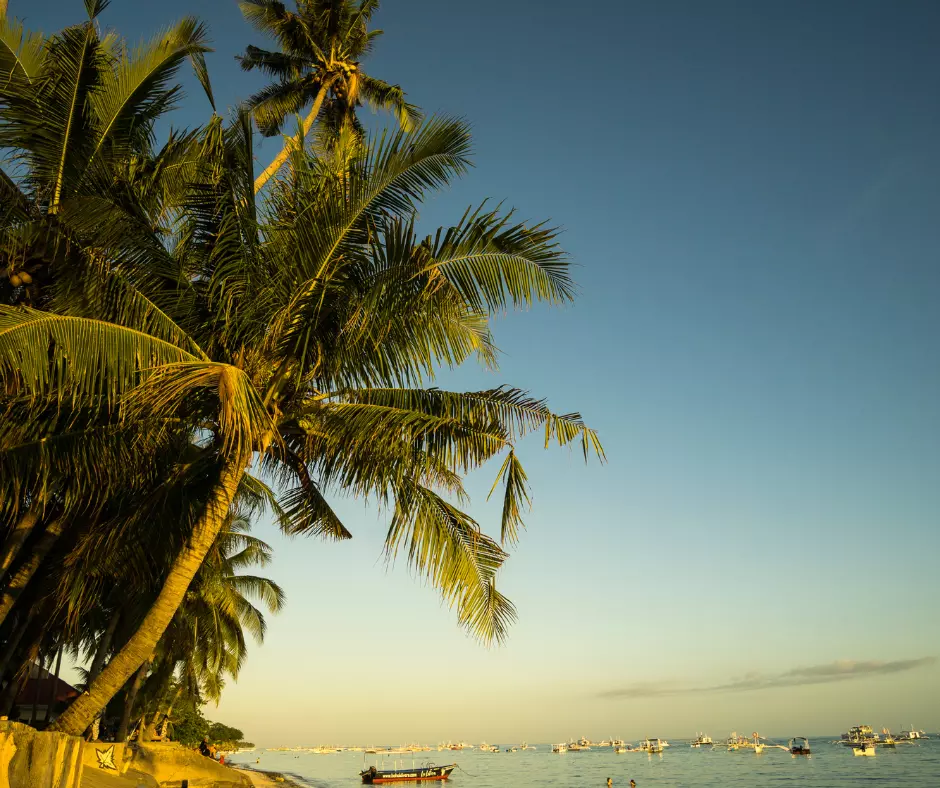
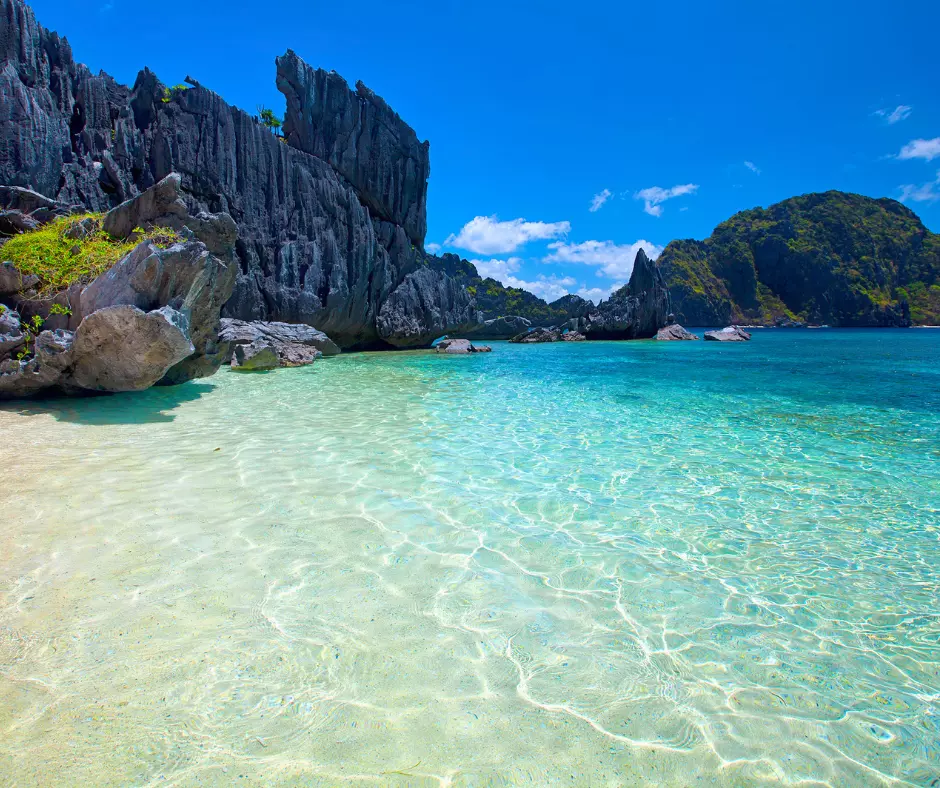
Dumaguete, or locally known as The City of Gentle People, the largest city in Negros Oriental. The city is famous for its colorful Buglasan Festival, ancestral houses, coffee shops, and tasty silvanas. The lush, waterfront Rizal Boulevard is backed by bars and restaurants. The Silliman University Anthropology Museum displays prehistoric artifacts from local indigenous groups. Nearby, is the 1900s wooden Silliman Hall. Opposite the leafy Quezon Park is the 19th-century St. Catherine of Alexandria Cathedral and its belfry, the Campanario de Dumaguete. The city is also a favorite far-flung destination for travelers from East Asia and Europe. The inhabitants are called Dumagueteños and their spoken dialect is part of the wider Binisaya or Visayan ethnolinguistic group.
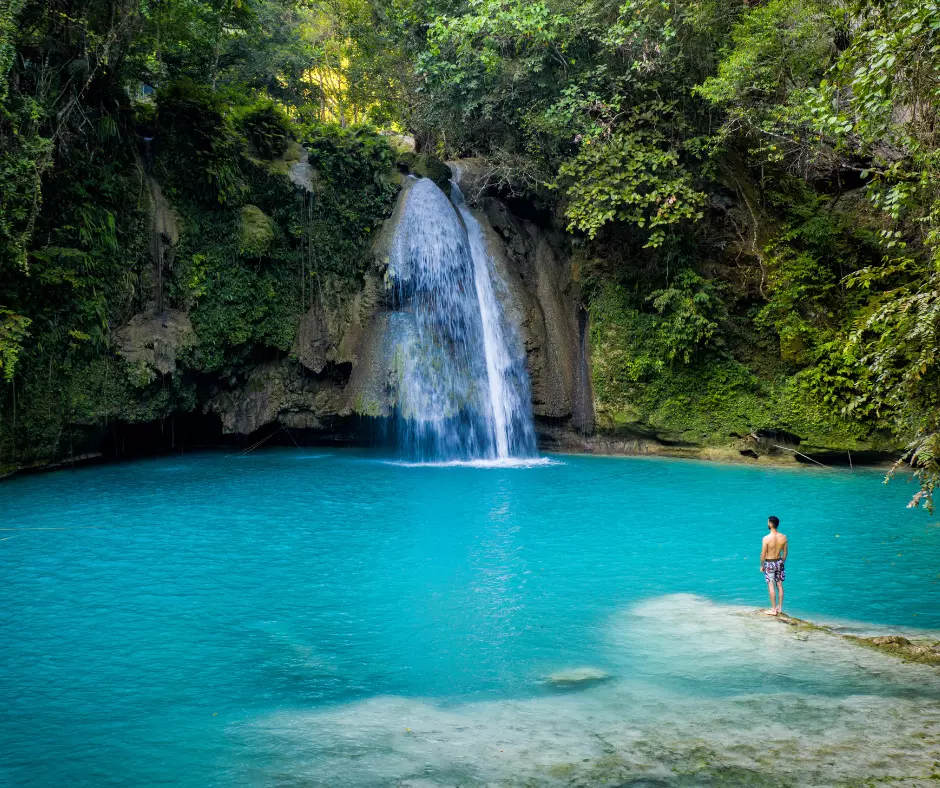
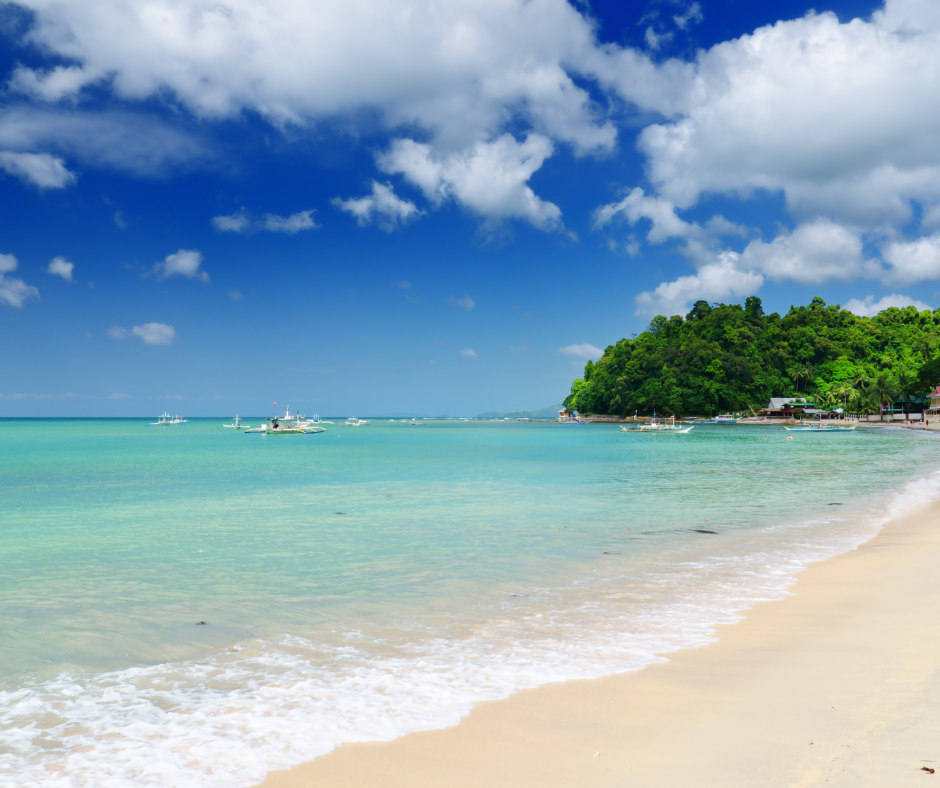
Siquijor is a small, yet remarkable island in the Central Visayas region of the Philippines. Known as the “Island of Fire,” Siquijor is not only famed for its pristine beaches, lush forests, majestic waterfalls, and vibrant marine life, but also for its intriguing tales of witchcraft and mythical creatures. The inhabitants are called Siquijodnons and their spoken language is Cebuano as they are part of the wider Binisaya or Visayan ethnolinguistic group.
Bohol is a province of the Philippines in the country’s Central Visayas region. It is known for coral reefs and unusual geological formations, notably the Chocolate Hills. On the main island, near the town of Carmen, these 1,200 or so symmetrical mounds turn cocoa-brown in the dry season contrasting with the surrounding jungle’s greenery. The inhabitants are called Boholano or Bol-anon and their spoken dialect is part of the wider Binisaya or Visayan ethnolinguistic group.