Pompeii, the open-air marvel that attracts millions of visitors every year is certainly the best-known archaeological site in the world. But among the Vesuvian cities buried by the dramatic eruption of 79 AD, Oplontis is probably the one that offers the most significant monumental evidence in the Pompeian suburb.
What characterizes Oplontis is the presence of two monumental buildings for different purposes: Villa A (the so-called villa of Poppea), a great and luxurious residential complex, and Villa B (of L. Crassius Tertius, currently not open to the public), a small farm whose activity was centered on the processing of land products, especially wine and oil.
Thanks to Zest Travel, and to an accurate private tour of a town by the side of the more famous Pompeii, you will be able to discover wonders that go alongside the more beaten tourist path.
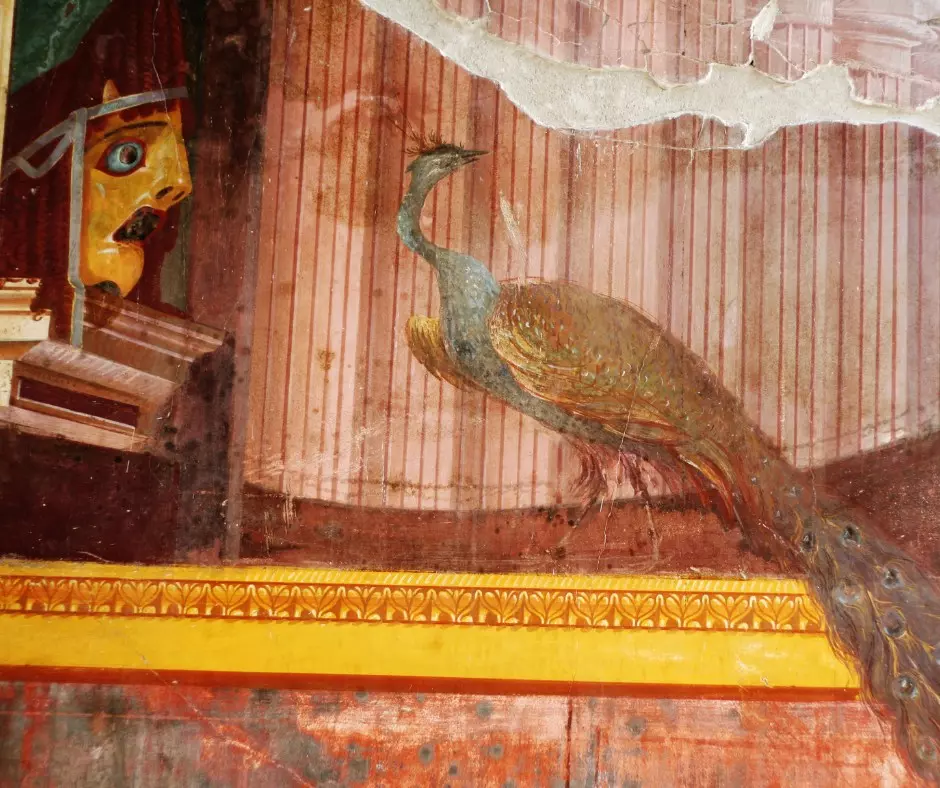
Let’s go step by step: the Villa of Poppea is a large residential villa, not entirely brought to light, dating back to the mid-1st century BC. and expanded in the early imperial age. In ancient times the villa overlooked the sea in a panoramic position and was equipped with splendid decorations of which exceptional evidence is preserved. It could have belonged to Poppaea Sabina, second wife of the emperor Nero, or to the patrimony of his family. At the time of the eruption, the building must have been largely uninhabited due to work in progress, perhaps started as a result of seismic damage in 63 AD.
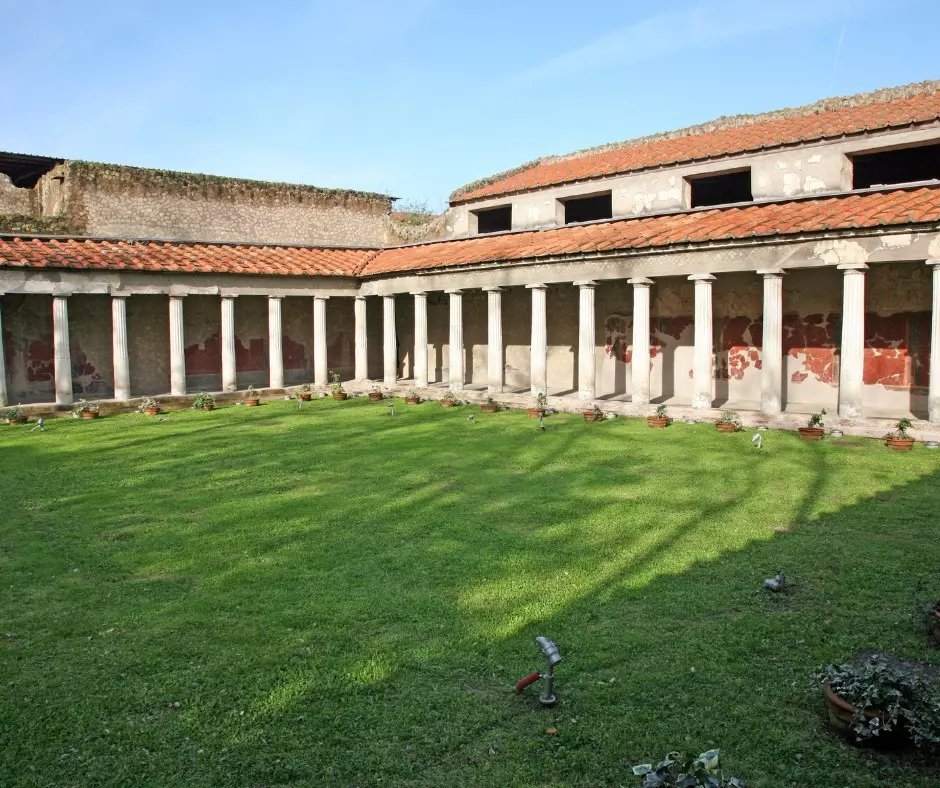
The villa of Lucius Crassius, named after the last owner, develops around a central space surrounded by a double order colonnade in gray tuff, completely rebuilt by relocating the original drums of the columns and their capitals. Numerous wine amphorae were found on site, as well as a large quantity of gold and silver coins and many jewels of extremely fine workmanship.
In short, take the opportunity to visit a treasure hidden from most that will unfold before your eyes in all its beauty. All you have to do is contact us!